
Zoologist turned cotton grower embarks on journey to track river health
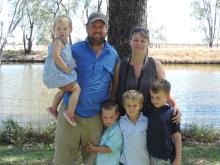
A zoology degree is not a traditional qualification for a cotton grower, but for Southern QLD grower Mark Palfreyman it provides an ideal grounding for his new role as national Cotton RiverCare champion.
The role forms part of the newly launched Cotton RiverCare program, which aims to support the responsible management of riverine areas within Australia’s cotton growing regions.
Kayak trips reinforce important message about river health
More than 100 people took part in four kayak trips in North West NSW in November to learn about riverine health and how to keep local rivers and riparian areas healthy.
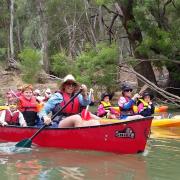
The trips were hosted by CottonInfo on rivers at Moree, Mungindi and Boggabilla, to help raise awareness of the importance of native vegetation and its management.
New CottonInfo officer connecting growers with research on the Downs
CottonInfo, the Australian cotton industry’s joint extension program, has announced that a new Regional Development Officer, Annabel Twine, will be joining the team.

Annabel will provide the latest research outcomes and findings direct to cotton growers, consultants and the wider cotton industry in the Darling Downs.
Climate Risk Management: Making decisions and dealing with imperfect information
Solar the hot topic at cotton Big Day Outs
Alternative and renewable energy sources, including solar for powering cotton production, were hot topics at this week’s (24 and 25 February) CottonInfo Big Days Out at St George, QLD and Gunnedah, NSW.
The days attracted 60 and 80 participants respectively and visitors were keen to hear from experienced growers, energy researchers, auditors, consultants and system providers.
Ian and Anne Brimblecombe hosted the first day at their St George farm, “Burgorah”, while day two was on Scott Morgan’s property “Kensal Green”, Gunnedah.
Rising costs, climate change prompt shift to solar
 An energy expenditure that had been climbing by around 10 per cent per year coupled with concerns about climate change have prompted St George cotton irrigators Ian and Anne Brimblecombe, “Burgorah”, to install solar panels which generate 100kW of electricity.
Their 400 250-watt solar panels will soon be joined by a supplementary bank of panels which will enable a 70kW fixed-speed pump to be powered by solar alone on sunny days.
Energy-efficiency plan pays off for Gunnedah irrigator
 Gunnedah farmer Scott Morgan (pictured) has slashed the amount of money he spends on electricity used to irrigate cotton on his property, “Kensal Green”, by investing in solar and by reducing the amount of energy he uses to pump water for his crops.
Looking after our rivers: Native fish release in the Macquarie
Amanda Thomas, CottonInfo regional development officer for the Macquarie Valley writes:
Almost 20 years ago, the Macquarie Cotton Growers Association, in conjunction with the Narromine and Warren Shire Councils and the NSW DPI Fisheries began the annual release of fingerlings into the Macquarie River, to help build the population of native fish.
Emissions Reduction Fund: ‘fertiliser efficiency in irrigated cotton’ method
The Department of Environment has been busy over the last year making new greenhouse gas emissions reduction methods available for use under the Emissions Reduction Fund (ERF). A number of these are designed to benefit the farming sector, including a ‘fertiliser efficiency in irrigated cotton’ method released in December 2014.
Water running short? How do we manage our irrigations?
When water is limited growers may need to change from their normal irrigation practice to optimise yield, quality and water use efficiency. As with fully irrigated production, the aim is to limit or minimise the amount of stress on the crop. Cotton’s response to water stress depends on the stage of growth that stress occurs, the degree of stress and the length of time the stress is present.